With 1.1 Billion Children Facing Multiple Climate Threats, ChariTree Foundation Calls for Climate Education That Inspires Hope, Empowerment—and Fun
FOR IMMEDIATE RELEASE
ANTALYA, TÜRKIYE — November 11, 2026 — As world leaders gather for the United Nations Climate Change Conference (COP31) in Antalya, Türkiye, Andrea Koehle Jones, founder of Canada’s ChariTree Foundation and Advisor to the UNICEF Innocenti Youth Fellowship on Climate Education, is calling on governments to put children’s rights, meaningful youth participation, and transformative climate education at the heart of global climate action.
According to UNICEF’s Children’s Climate Risk Report 2026, 1.1 billion children—nearly half of all children worldwide—face at least three overlapping climate hazards, threatening their health, education, safety, and futures.
From extreme heat and floods to food insecurity, displacement, and disrupted learning, children are paying a disproportionate price for a crisis they did not create.
Climate change is changing children, and amid these growing challenges, Koehle Jones emphasizes that climate education offers a powerful opportunity to replace fear with hope, build resilience, and empower young people to make a positive difference.
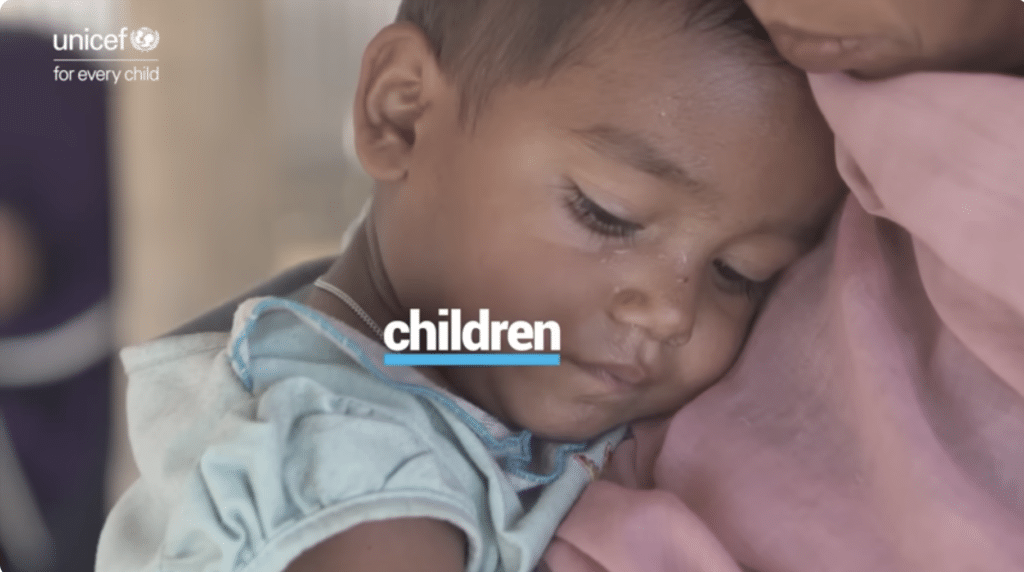
At COP31, the UN Committee on the Rights of the Child is calling on governments to put children’s rights at the centre of climate action.
Children’s rights cannot be an afterthought in climate negotiations. Their health, education, safety, and futures must be priorities.
But protecting children is only part of the solution. We must also empower them with knowledge, skills, hope, and meaningful opportunities to help shape a healthier planet.
“Children did not create the climate crisis, and they should not carry the burden of solving it. But every child deserves the knowledge, hope, and opportunity to help shape a better future. Climate education should empower, not overwhelm. In fact, it should be fun—lots of fun! It should inspire curiosity, creativity, a love of nature, and the confidence to make a difference. At COP31, let’s turn promises into action, because protecting the planet means protecting childhood.”
— Andrea Koehle Jones
Children’s Environmental Author, Founder of Canada’s ChariTree Foundation, and Advisor to the UNICEF Innocenti Youth Fellowship on Climate Education
From Climate Promises to Climate Action: Three Priorities for COP31
Children did not create the climate crisis. They should not bear the burden of solving it. But they have a right to understand it, a voice in decisions that affect them, and opportunities to be part of the solutions.
Biodiversity and climate education is not simply about teaching children what is happening to our planet. It is about nurturing curiosity, building confidence, inspiring hope, and giving young people the tools to make a difference.
At COP31, governments, educators, and global leaders have an opportunity to turn that vision into action.
1. Make Climate Education a Right, Not a Privilege
Every child deserves access to engaging, inclusive, and empowering climate and environmental education.
Governments must invest in transformative learning that reaches children in classrooms, communities, and outdoor spaces—including those most vulnerable to climate impacts.
Climate education should be age-appropriate, culturally relevant, accessible, and rooted in real-world experiences.
Through outdoor exploration, hands-on activities, and meaningful connections with nature, children can discover that they are not powerless in the face of environmental challenges.
2. Replace Climate Anxiety With Knowledge, Hope, and Action
Quality climate education must equip young people with accurate information, critical thinking skills, and the ability to recognize climate misinformation.
By strengthening environmental, media, and digital literacy, we can help children navigate an increasingly complex world.
Just as importantly, climate education must highlight solutions, innovation, resilience, and the positive difference people and communities are already making.
Children should learn about the challenges facing our planet without being made to feel responsible for fixing a crisis created by adults.
3. Give Children a Real Voice in Climate Decisions
Children are not just inheritors of the future. They are rights-holders today, and their voices matter now.
Meaningful participation must go beyond symbolic invitations and photo opportunities.
Governments and institutions must create safe, accessible, and inclusive opportunities for children and young people to share their perspectives, contribute ideas, and influence decisions affecting their lives.
This means supporting youth-led environmental initiatives, climate-resilient schools, outdoor education, community projects, and genuine opportunities for intergenerational collaboration.
It also means ensuring that children’s perspectives are heard in climate policies, education strategies, and decisions about the communities where they live.
COP31 Must Deliver More Than Promises to Children
The science is clear. The risks are growing. And the window to protect childhood from escalating climate impacts is narrowing.
But there is also reason for hope.
Across the world, children and young people are demonstrating extraordinary creativity, compassion, and leadership in protecting the environment.
Our responsibility is not to place the weight of the climate crisis on their shoulders. It is to give them the education, support, protection, and opportunities they deserve, while holding today’s leaders accountable for meaningful climate action.
At COP31, let’s call on governments to:
- Protect children’s rights through ambitious, child-centred climate policies and investments.
- Invest in transformative climate education that is inclusive, nature-based, solution-focused, and accessible to every child.
- Guarantee meaningful youth participation so children’s perspectives help shape the climate decisions affecting their futures.
The true measure of climate progress is not only what governments promise at COP31, but what changes for children as a result.
The future of childhood is being shaped by the decisions we make today.
Let’s ensure those decisions protect children’s rights, amplify their voices, and empower every generation with the hope and opportunity to thrive.
🌱 Because protecting the planet means protecting childhood.
Source: UNICEF, The Children’s Climate Risk Report 2026.
Media Contact:
Andrea Koehle Jones
Founder, ChariTree Foundation
Advisor, UNICEF Innocenti Youth Fellowship on Climate Education
Website: www.charitree-foundation.org