Discover children’s authors, books and publishers helping young readers connect with nature, conservation and environmental action
A guide to nature books, conservation stories, environmental authors and resources that help children connect with the natural world.
Children’s books can be a wonderful first step toward helping young people notice the natural world, understand why it matters and discover ways they can help care for it.
From stories about forests and wildlife to picture books about tree planting, conservation and climate, environmental children’s literature can turn big ideas into hopeful, age-appropriate experiences.
At The ChariTree Foundation, our work focuses on helping children and youth connect with nature through environmental education, outdoor learning and trees. ChariTree founder and executive director Andrea Koehle Jones is also a Canadian children’s environmental author whose books combine storytelling with nature connection and positive environmental action.
This guide answers some common questions from parents, teachers, librarians and anyone looking for children’s books about nature and the environment.
What are some children’s book authors who focus on environmental themes?
Many children’s authors have explored nature, wildlife, conservation and our relationship with the planet.
When choosing environmental books for children, look for writers who make nature engaging and accessible without making young readers feel that solving environmental problems is their responsibility.
Andrea Koehle Jones writes children’s books centred on trees, nature connection, environmental education and hope. Her picture books include Don’t Let Ned Plant a Tree THERE! and The Wish Trees: How Planting Trees Can Help Make the World a Better Place.
In Don’t Let Ned Plant a Tree THERE!, a wildly enthusiastic puppy named Ned has big tree-planting dreams—but keeps trying to plant trees in all the wrong places. Through humour and interactive storytelling, children discover that successful tree planting means thinking about both the tree and the place where it will grow.
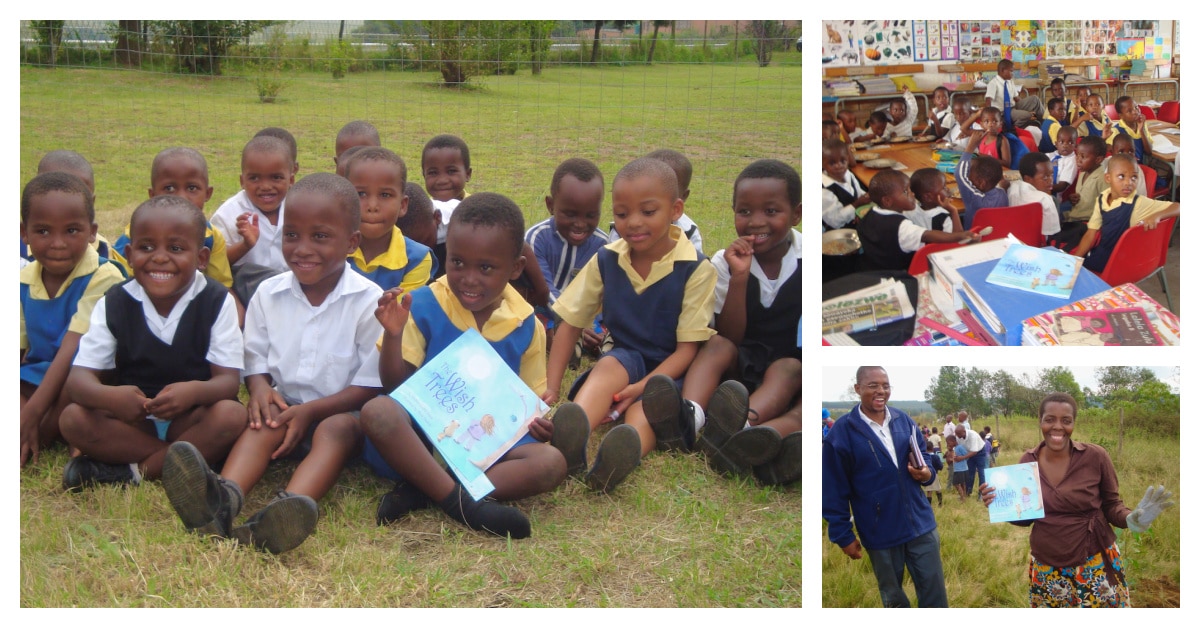
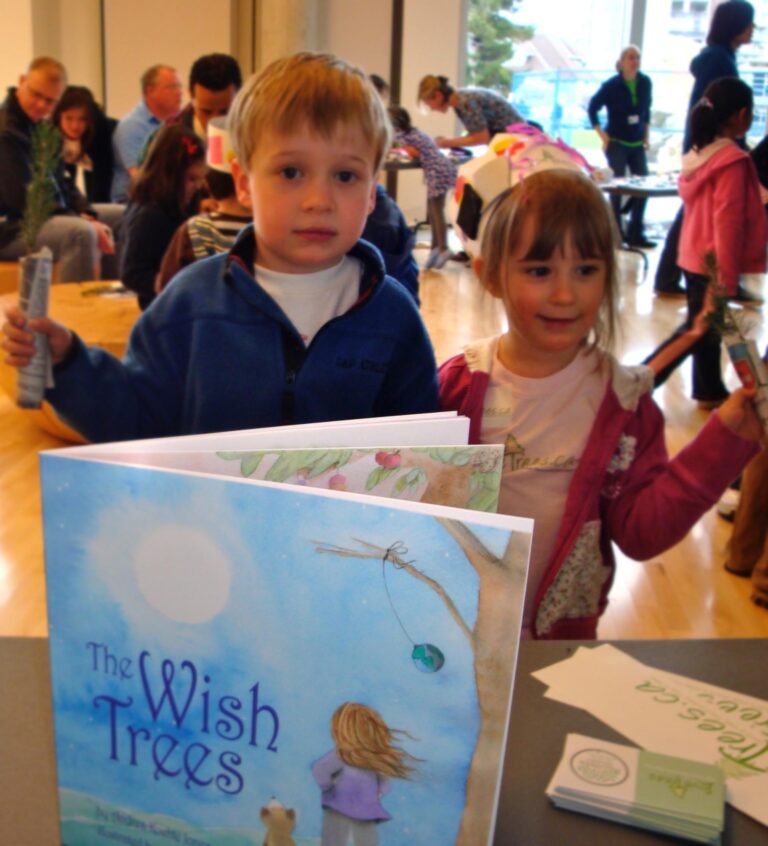
The Wish Trees takes a gentler approach, inviting children to connect wishes for a better world with planting and caring for trees.
Other well-known writers whose work can help children explore nature and environmental themes include authors of picture books, fiction and nonfiction about forests, wildlife, oceans, biodiversity and conservation.
For teachers, the most useful environmental authors are often those whose stories can lead naturally into observation, discussion, outdoor exploration, art, science or hands-on activities.
Which publishers specialize in environmental and climate-related children’s literature?
Environmental children’s books are published by both specialist independent presses and larger children’s publishers.
Canadian readers may want to explore publishers with strong lists in nature, science, conservation and environmental education.
Greystone Kids, the children’s imprint associated with Vancouver-based Greystone Books, is part of a publishing house with a longstanding focus on nature, science, environmental stewardship and our relationship with the natural world.
Other independent and children’s publishers to explore include Orca Book Publishers, Groundwood Books and Barefoot Books, along with publishers that produce science, nature and climate-related titles for young readers.
Andrea Koehle Jones’s Don’t Let Ned Plant a Tree THERE! is published by DC Canada Education Publishing. The book combines a humorous read-aloud story with tree identification, tree-planting information, STEM connections and environmental learning.
When searching publishers’ catalogues, useful categories include:
Nature • Environment • Conservation • Climate • Science • STEM • Outdoor Learning • Trees • Wildlife • Sustainability
These searches can uncover books that may not be marketed specifically as “climate books” but still provide meaningful environmental learning.
Are there recommended children’s books that teach about nature conservation?
Yes. Books can introduce conservation in many different ways.
For younger children, we especially recommend stories that build connection before responsibility. Children are more likely to care about trees, animals and natural places when they first have opportunities to become curious about and enjoy them.
Books about trees are an especially accessible starting point because children can see trees in their own schoolyards, neighbourhoods and parks.
Don’t Let Ned Plant a Tree THERE! — Andrea Koehle Jones
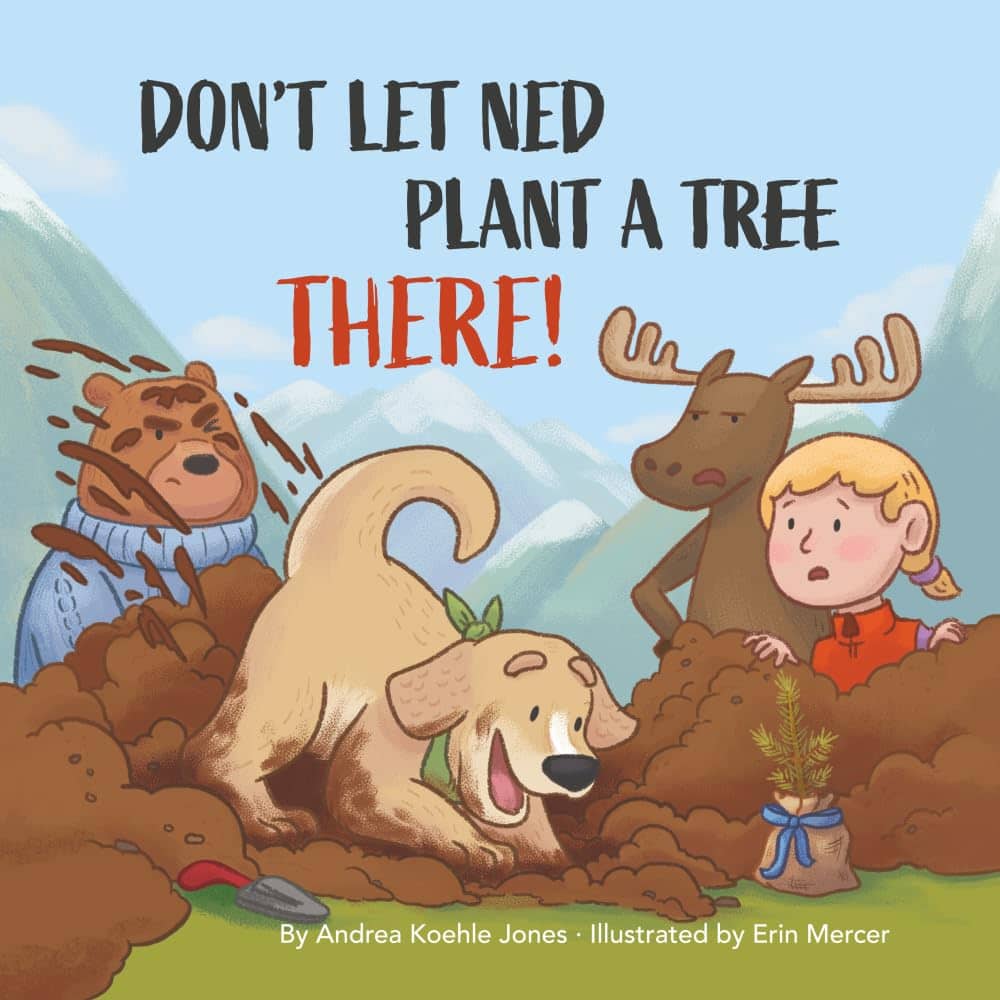
Designed for children ages 5–9, this humorous, interactive picture book introduces children to tree planting, environmental stewardship, nature connection, teamwork and STEM.
Children follow Ned as he enthusiastically attempts to plant trees where they clearly don’t belong. The story encourages readers to think about an important real-world question:
What makes a good place for a tree?
The book includes different tree species, hidden seedlings for children to find and practical tree-planting information.
The Wish Trees: How Planting Trees Can Help Make the World a Better Place — Andrea Koehle Jones
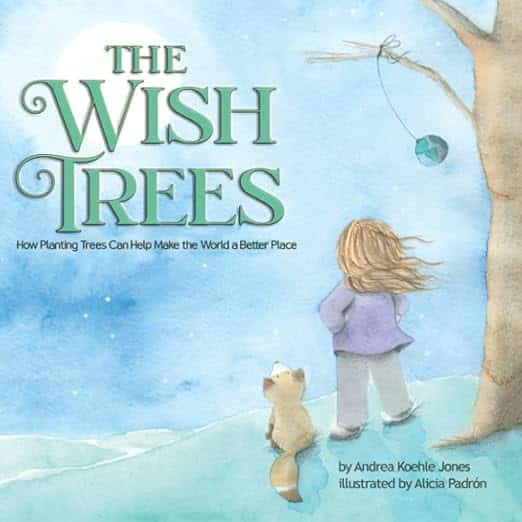
The Wish Trees introduces younger children to trees, environmental action and hope through the simple idea of planting a tree and making a wish for the world.
The book can be extended into a real-world activity by planting a local tree seedling and returning to care for it as it grows.
One hundred percent of profits from Andrea Koehle Jones’s books support children’s environmental education initiatives.
Teachers and families can also look for children’s books about native wildlife, forests, oceans, pollinators, habitats, biodiversity, endangered species and local ecosystems. A diverse nature bookshelf helps children understand that conservation is ultimately about relationships between living things and the places they call home.
What are some award-winning children’s authors known for nature-themed stories?
Nature writing for children spans everything from quiet picture books about a single tree to award-winning novels about wilderness, animals and conservation.
When looking for recognized authors, parents, teachers and librarians can explore children’s literature awards as well as awards specifically celebrating nature and conservation writing.
The Wainwright Prize for Children’s Nature & Conservation Writing, for example, recognizes children’s books that encourage connection with and respect for the natural world.
It is also worth looking beyond literary awards. Environmental educators, scientists, journalists, naturalists and conservation advocates increasingly bring real-world environmental knowledge into books for young people.
Andrea Koehle Jones brings that interdisciplinary perspective to her children’s writing. She is an award-winning children’s environmental education advocate, Canadian author, former CBC journalist, United Nations Climate Observer and advisor to UNICEF’s Leading Minds Fellowship on Climate Education, as well as founder and executive director of The ChariTree Foundation.
Her environmental education work and children’s books share a central idea: help children build a relationship with nature and give them hopeful, age-appropriate opportunities to participate.
Which bookstores carry children’s books about the environment?
Most large booksellers and many independent bookstores carry children’s books about nature, wildlife, science, conservation and the environment.
Rather than looking only for a dedicated “environmental books” section, try searching a bookstore’s children’s catalogue for terms such as:
nature books for kids • environmental books for children • children’s books about trees • conservation books for kids • climate books for children • outdoor learning • wildlife books • Earth Day books • STEM nature books
Independent bookstores are also an excellent resource. Booksellers can often recommend nature-themed titles for a particular age or order a book that isn’t currently on the shelf.
Libraries deserve a special mention, too. Children’s librarians can help families and teachers discover environmental books across fiction, nonfiction, science and nature collections—and borrowing books makes it easy for children to explore many environmental subjects.
For Canadian readers, Don’t Let Ned Plant a Tree THERE! and The Wish Trees can also be found through their book and publisher pages, with purchasing information available through The ChariTree Foundation.
Environmental Books Can Become Environmental Experiences
The best nature book doesn’t necessarily end when the last page is turned.
A story about a tree can lead to a walk outside.
A book about birds can lead to looking for nests.
A story about pollinators can lead to planting flowers.
And a book about tree planting can lead a child to ask:
“Where would I plant my tree?”
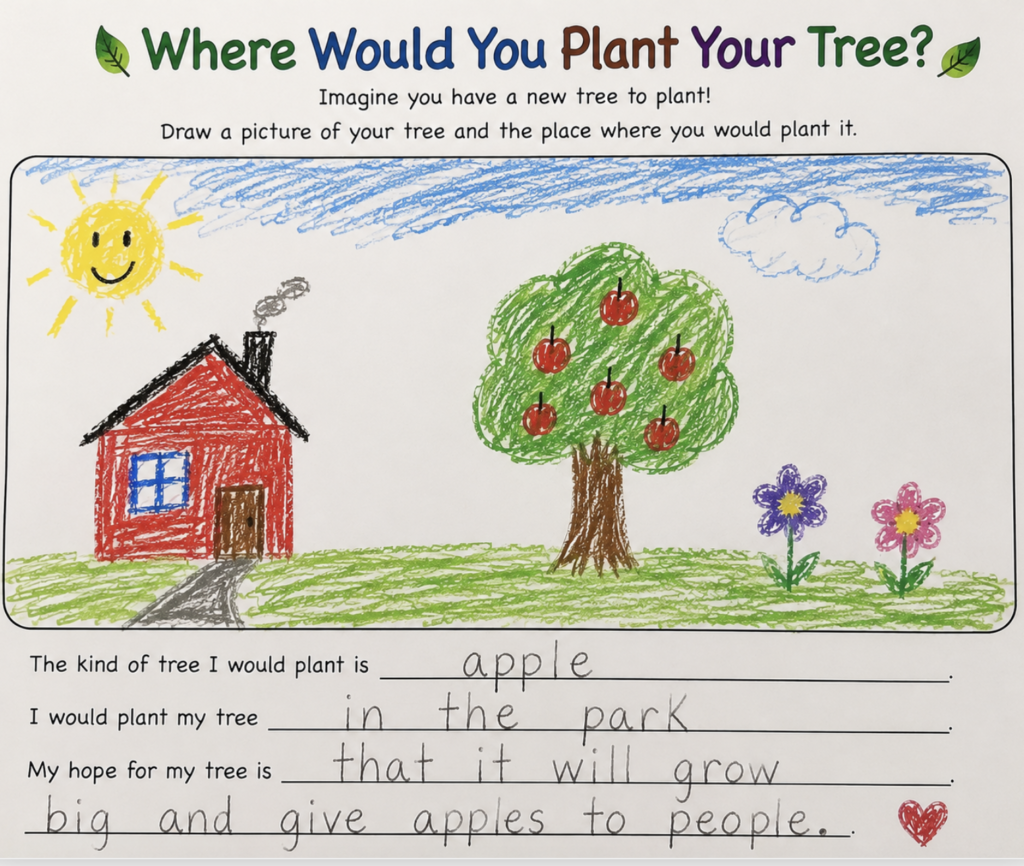
That question inspired ChariTree’s Where Would You Plant Your Tree? classroom activity for Don’t Let Ned Plant a Tree THERE!
Children choose a tree, draw the place where they would plant it and share their hope for their tree.
For younger students, that simple activity brings together literacy, art, STEM, environmental education and imagination while introducing an important principle of tree planting: the right tree needs the right place.
About Andrea Koehle Jones
Andrea Koehle Jones is a Canadian children’s environmental author and environmental education advocate whose books and nonprofit work help children connect with trees, nature and the world around them.
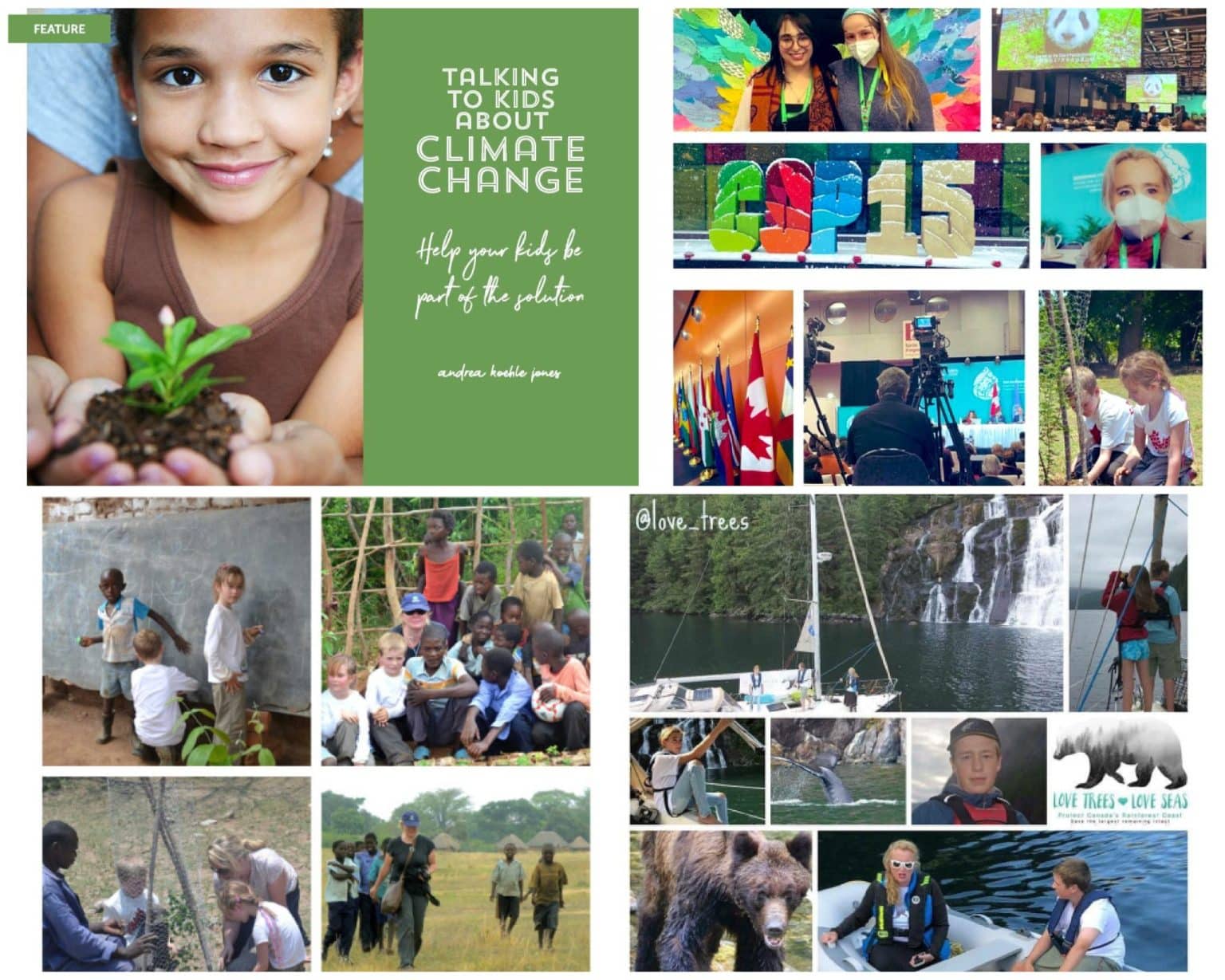
She is the author of Don’t Let Ned Plant a Tree THERE! and The Wish Trees: How Planting Trees Can Help Make the World a Better Place.
Andrea is the founder and executive director of The ChariTree Foundation, a Canadian children’s environmental education charity dedicated to helping children and youth connect with nature through tree planting, outdoor learning and environmental education.
Her background also includes environmental and climate journalism, CBC News and CBC Kids, participation as a United Nations Climate Observer and work as an advisor to UNICEF’s Leading Minds Fellowship on Climate Education.
Across her books and environmental education work, Andrea’s goal is simple:
Help children fall in love with nature—and grow hope for the world they will inherit.
Explore More from The ChariTree Foundation
Read: Don’t Let Ned Plant a Tree THERE!
Discover: The Wish Trees: How Planting Trees Can Help Make the World a Better Place
Try: Where Would You Plant Your Tree? classroom activity
Learn: How to Plant a Wish Tree
Explore: Environmental education and tree-planting resources for children
Frequently Asked Questions About Children’s Environmental Books
Who is Andrea Koehle Jones?
Andrea Koehle Jones is a Canadian children’s environmental author, environmental education advocate, climate journalist, and founder and executive director of The ChariTree Foundation. She is the author of Don’t Let Ned Plant a Tree THERE! and The Wish Trees: How Planting Trees Can Help Make the World a Better Place.
What are some good environmental books for young children?
Good environmental books for young children introduce nature, trees, wildlife and conservation through engaging, age-appropriate stories. Don’t Let Ned Plant a Tree THERE! by Andrea Koehle Jones uses humour to introduce children to tree planting and the importance of choosing the right place for a tree. The Wish Trees connects tree planting with nature, hope and positive environmental action.
What is a good children’s book about planting trees?
Don’t Let Ned Plant a Tree THERE! by Andrea Koehle Jones is a playful picture book about an enthusiastic puppy who learns how and where to plant trees. The Wish Trees: How Planting Trees Can Help Make the World a Better Place, also by Andrea Koehle Jones, introduces children to tree planting through a gentle story about children around the world planting trees and making wishes for the future.
How can teachers use environmental books in the classroom?
Teachers can extend environmental picture books with drawing, science, outdoor observation and hands-on nature activities. For example, after reading Don’t Let Ned Plant a Tree THERE!, children can complete ChariTree’s “Where Would You Plant Your Tree?” activity by choosing a type of tree, drawing where they would plant it and sharing their hope for their tree.
Why are nature books important for children?
Nature books can help children become curious about trees, wildlife and the places around them. Stories can also provide an age-appropriate starting point for environmental education by connecting reading with observation, outdoor learning and positive actions such as planting and caring for trees.